
Onimusha: Way of the Sword – A Welcome Respite from Soulslike Dominance – Full Review









Popular Now
 Fortnite
 Rust
Rust
 Fall Guys
Stumble Guys
Fall Guys
Stumble Guys
 Genshin Impact
 BeamNG.drive
 Free Fire
 Among Us
 Gacha Club
Candy Crush Saga
Gacha Club
Candy Crush Saga 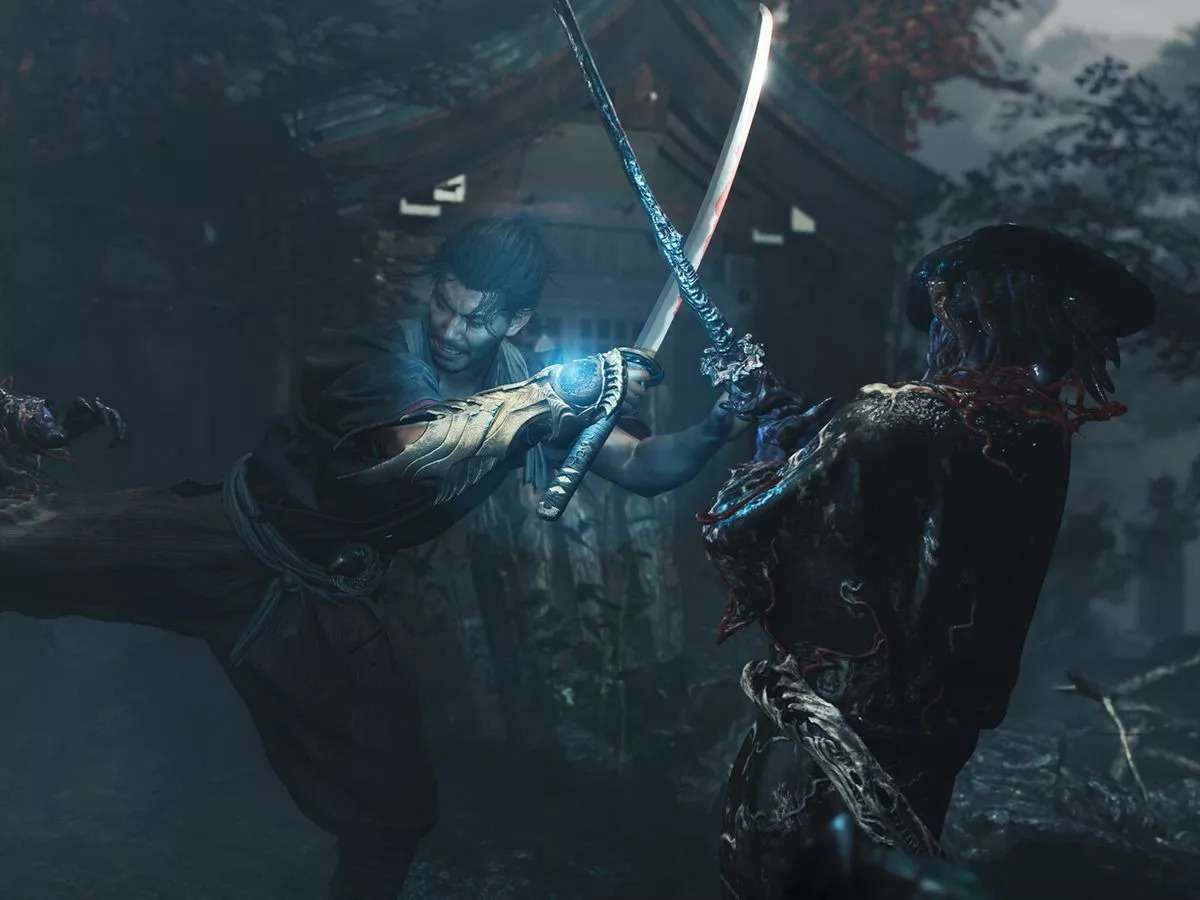
In a gaming landscape increasingly defined by the demanding, often unforgiving mechanics of the Soulslike genre, the arrival of Onimusha: Way of the Sword offers a genuinely refreshing alternative. This latest installment revives Capcom’s beloved samurai action series, not by conforming to current trends, but by doubling down on what made its predecessors so compelling: visceral combat, engaging narrative, and a distinct identity. For players seeking a high-quality action experience that prioritizes strategic aggression over punitive learning curves, Onimusha: Way of the Sword presents itself as a compelling and long-awaited departure.
The current market for premium action games is heavily influenced by titles like Elden Ring and Demon’s Souls, celebrated for their brutal difficulty and intricate world-building. While these games offer immense satisfaction, their pervasive influence has led to a certain stylistic saturation. Onimusha: Way of the Sword emerges as a vital counterpoint, demonstrating that a deep, challenging, and rewarding action experience doesn’t necessarily need to adhere to the Souls formula. It’s a testament to its design philosophy that it carves its own niche with confidence, offering a fast-paced, narrative-driven adventure that feels both modern and reverent to its roots.
The Legacy Reimagined: More Than Just Hack-and-Slash
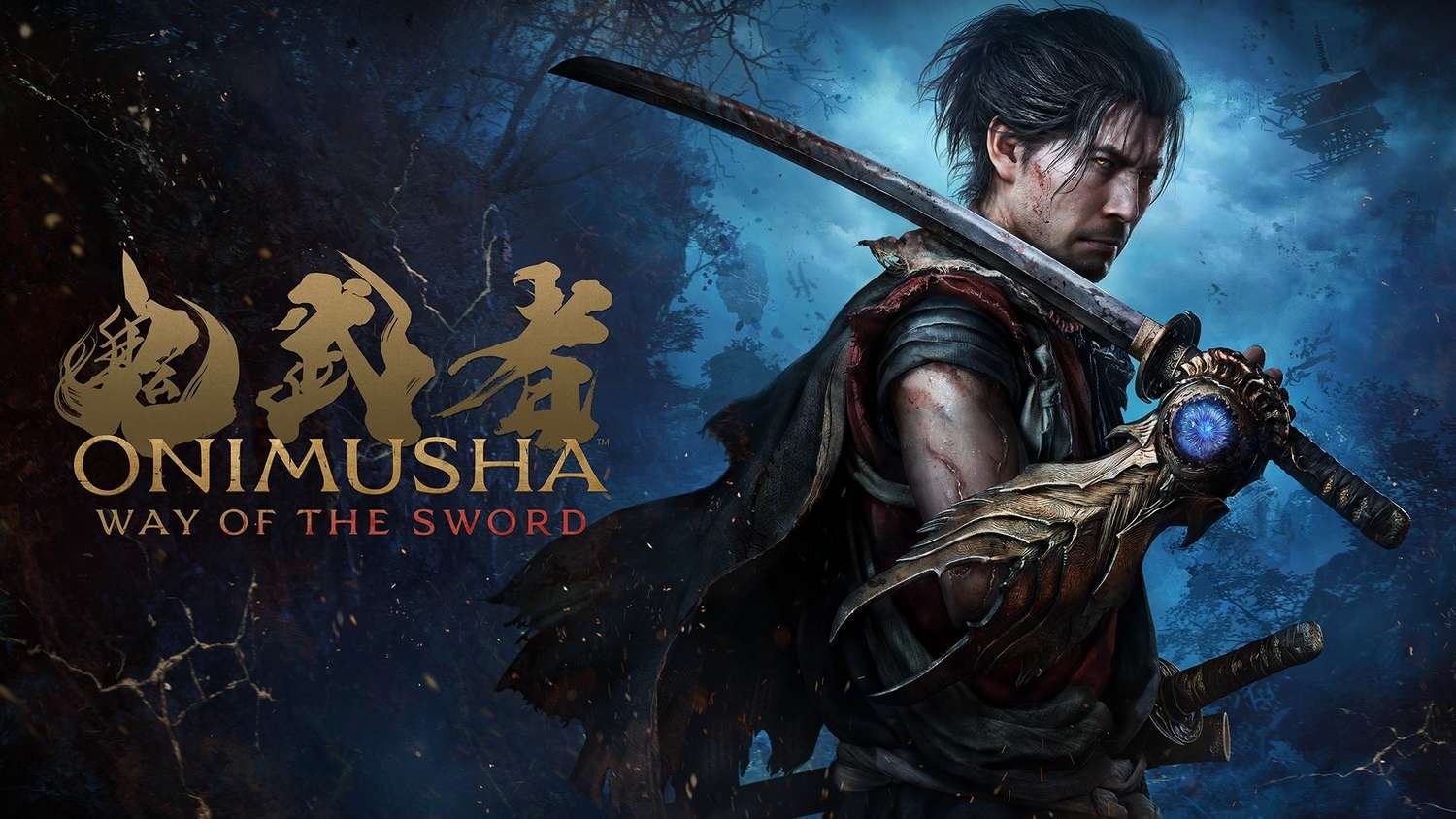
The original Onimusha series captivated players with its blend of historical Japanese settings, supernatural demons (Oni), and cinematic swordplay. Way of the Sword successfully channels this spirit while introducing contemporary refinements. Gone are the fixed camera angles of yesteryear, replaced by a fluid, over-the-shoulder perspective that enhances player immersion and combat clarity. Yet, the core essence remains: a lone samurai, endowed with extraordinary powers, battling hordes of grotesque demons to save a realm teetering on the brink.
The narrative unfolds with a gripping intensity, centering on a new protagonist caught in a web of ancient prophecies and political intrigue. The story, rich with feudal Japanese mythology and character development, provides a strong impetus for progression, a stark contrast to the often-oblique storytelling found in many modern action RPGs. Players are not just fighting; they are actively participating in an epic saga, driven by compelling cutscenes and well-written dialogue that enriches the experience of this Japanese fantasy epic.
 Mastering the Blade: Combat Mechanics and Strategic Depth
 Mastering the Blade: Combat Mechanics and Strategic Depth
At the heart of Onimusha: Way of the Sword lies its meticulously crafted combat system. It’s designed for flow and responsiveness, rewarding skillful parries, precise dodges, and aggressive combos. Unlike the often slow, deliberate pace of Soulslikes, combat here is dynamic and kinetic, echoing the feel of classic character action games. Players have access to a variety of weapon types, each with unique attack patterns and special abilities, encouraging experimentation and mastery.
- Issen Counter: The signature mechanic of Onimusha makes a triumphant return. Timing a parry perfectly just before an enemy attack lands triggers an ‘Issen’ – a devastating one-hit kill or critical strike that showcases stunning visual flair. Mastering Issen is crucial for clearing large groups of enemies efficiently and taking down powerful bosses.
- Elemental Abilities: As players progress, they unlock elemental powers tied to different weapons, allowing for strategic advantage against specific enemy types. These abilities can be charged for more potent effects, adding another layer of tactical depth to encounters.
- Spirit Absorption: Defeated enemies release ‘souls’ (spirits) that can be absorbed to replenish health, magic, or upgrade weapons and armor. This mechanic encourages aggressive play, as continuous combat is vital for sustaining your character’s strength and progression.
- Diverse Enemy Roster: From nimble, sword-wielding lesser demons to colossal, screen-filling bosses, the game boasts an impressive array of enemy designs. Each foe presents unique challenges, requiring players to adapt their combat strategies and utilize their full arsenal of skills.
The difficulty is challenging but fair. While mistakes are punished, the game provides ample opportunities for recovery and growth, ensuring that progression feels earned rather than arbitrarily imposed. This approach makes the game highly accessible to a broader audience, including those who find the relentless difficulty of some Soulslikes off-putting, yet still crave a substantial test of skill.
World Design and Exploration: A Journey Through Feudal Japan
The environments in Onimusha: Way of the Sword are a visual feast, blending historical Japanese architecture with imaginative supernatural elements. Players will traverse ancient castles, serene bamboo forests, desolate battlefields, and otherworldly demon realms. Each area is meticulously detailed, brimming with secrets, hidden pathways, and lore to uncover. While not an open-world experience in the modern sense, the interconnected level design offers a satisfying sense of exploration and discovery.
Environmental puzzles are integrated naturally into the exploration, often requiring the use of specific character abilities or keen observation. These moments provide a welcome break from the intense combat, encouraging players to slow down and appreciate the intricate world Capcom has crafted. The level design cleverly guides players without feeling linear, allowing for moments of independent discovery and rewarding curiosity.
Audio-Visual Fidelity: Bringing the Demons to Life
 Audio-Visual Fidelity: Bringing the Demons to Life
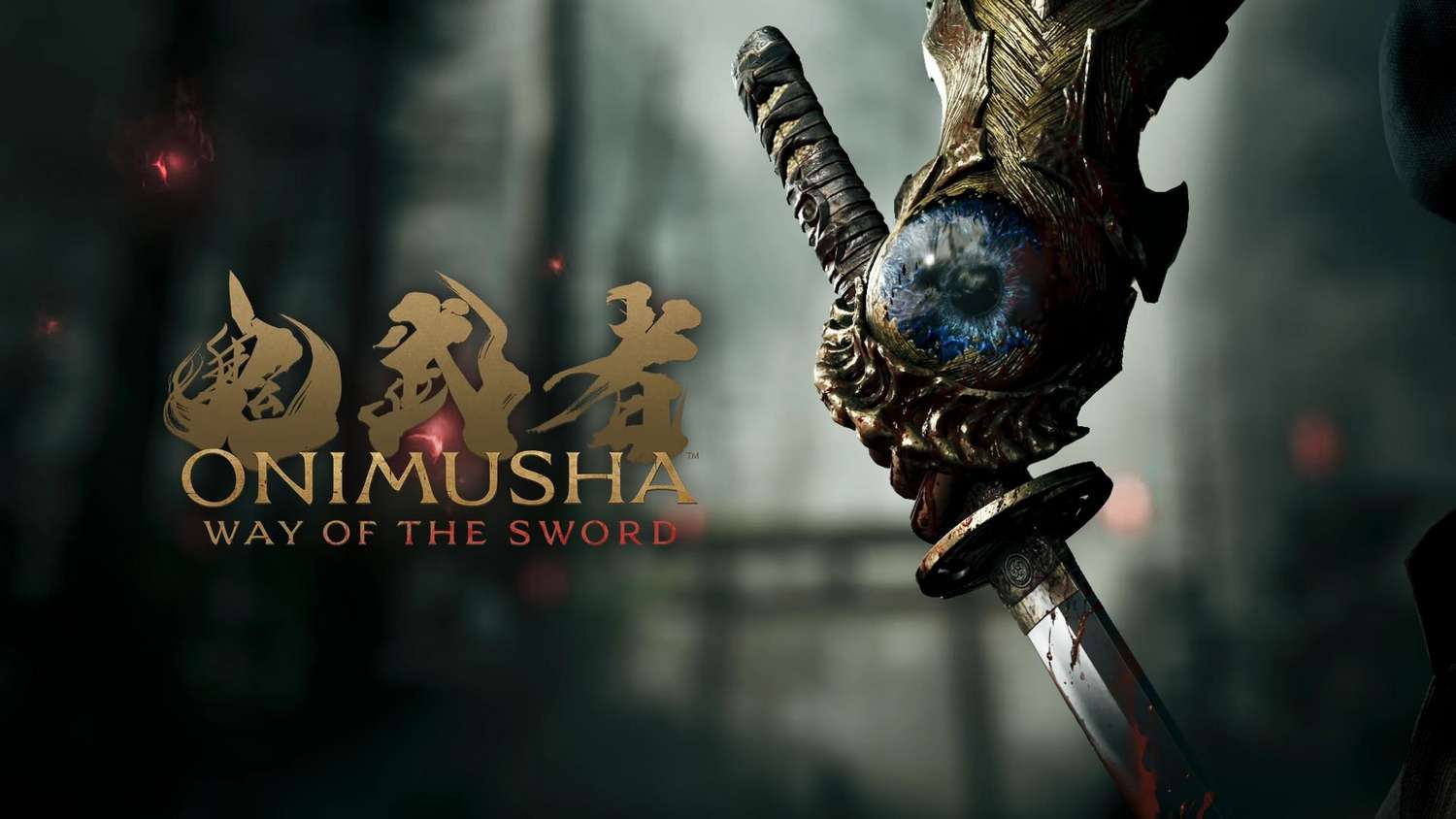
Visually, Onimusha: Way of the Sword is stunning. Character models are highly detailed, from the intricate armor of the protagonist to the grotesque designs of the demon horde. Environmental textures are rich, and the lighting effects, particularly in dimly lit dungeons or during magical attacks, are breathtaking. The game runs smoothly, maintaining high frame rates even during the most chaotic battles, which is crucial for a fast-paced action title.
The sound design is equally impressive. The clang of steel, the roar of demons, the satisfying crunch of an Issen, and the evocative traditional Japanese music all combine to create an immersive auditory experience. Voice acting is top-tier, lending weight and emotion to the characters and their plight, further drawing players into the compelling narrative. This comprehensive sensory experience elevates Onimusha: Way of the Sword beyond mere gameplay into a truly cinematic adventure.
The Verdict: A Must-Play for Action Enthusiasts
Onimusha: Way of the Sword is more than just a nostalgic trip; it’s a bold statement that classic action game design still holds immense power and relevance. It successfully marries the beloved elements of its predecessors with modern gameplay sensibilities, delivering an experience that is both familiar and fresh. For players feeling fatigue from the dominant Soulslike genre, this game offers a potent antidote – a deeply engaging, challenging, and exhilarating action-adventure that respects your time while providing immense satisfaction.
Capcom has delivered a masterclass in revitalizing a beloved franchise, proving that innovation doesn’t always mean conforming to current trends, but sometimes means perfecting a unique formula. If you’re a fan of compelling narratives, intricate combat systems, and a world steeped in rich mythology, then Onimusha: Way of the Sword is an absolute must-play. It stands tall as one of the year’s best action titles, earning its place as a truly welcome break from the norm and a valuable addition to any gamer’s library.