
Ra Ra BOOM: When Sci-Fi Cheerleaders Stumble – A Critical Look at Landing Mechanics and Player Experience










Popular Now
 Gacha Club
 Auto X Drift Racing 3
 Roblox
 Rust
Rust
 Candy Crush Saga
 Warframe
 Fall Guys
 EA SPORT FC 25
 Call of Duty
 Grand Theft Auto V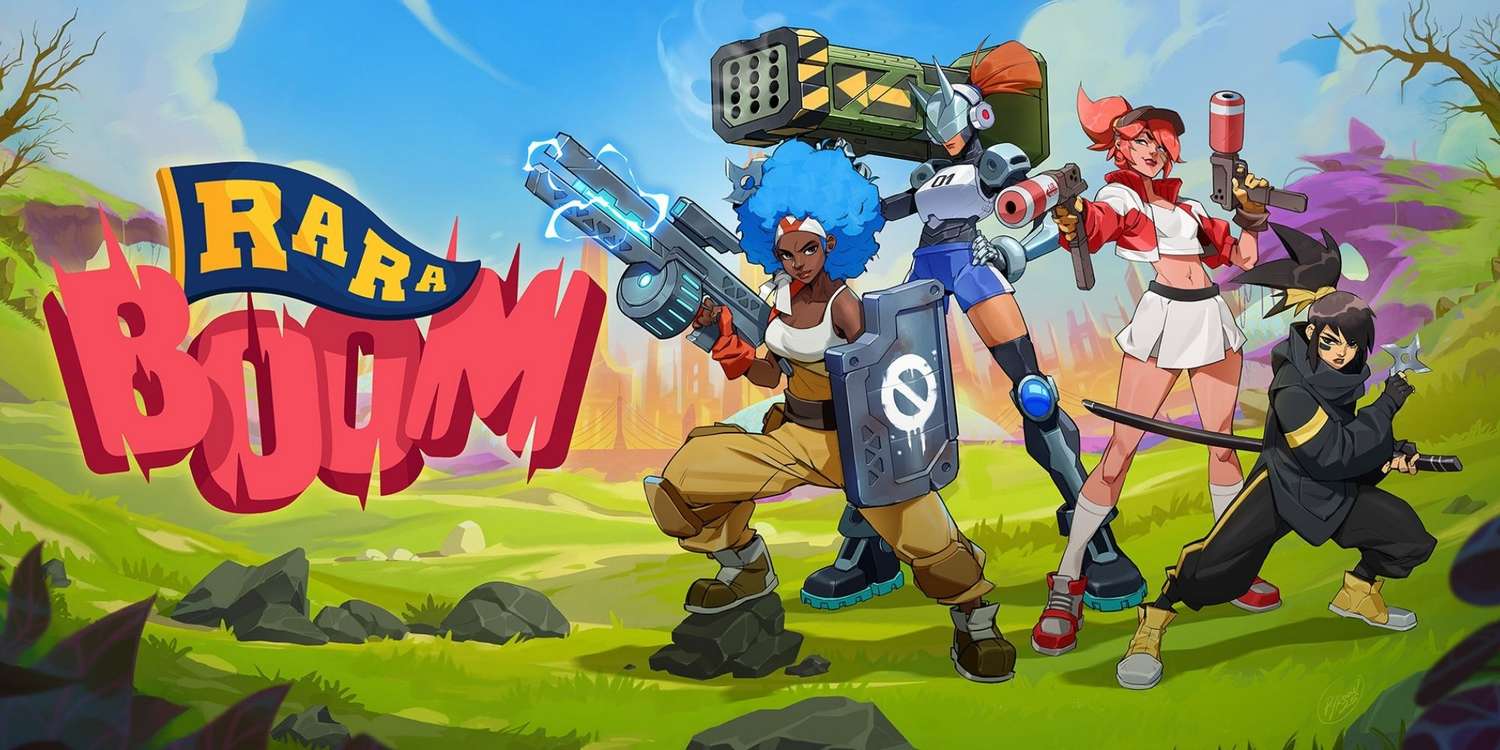
Ra Ra BOOM, the much-anticipated indie brawler from Jump Button Studio, captivated early audiences with its vibrant aesthetic and unique premise: a squad of sci-fi cheerleaders battling an alien horde across dynamic, futuristic arenas. The concept promised a high-energy, co-operative experience blending fast-paced combat with tactical team play. In an increasingly competitive digital entertainment market, fresh concepts like this are vital for capturing player engagement. However, despite its undeniable visual charm and compelling narrative backdrop, the game has encountered significant hurdles, leaving many players and critics questioning if these cheerleaders can ever truly stick their landing.
Initial impressions highlighted the game’s bold art direction and the novelty of its character design. Each cheerleader boasts distinct abilities, encouraging strategic team composition in local or online co-op. The core loop involves clearing waves of enemies, executing dazzling synchronized attacks, and navigating platforming challenges. From a conceptual standpoint, Ra Ra BOOM offers a refreshing departure from traditional brawlers, aiming for a blend of chaos and coordination. The game’s pre-release buzz suggested a potential breakout hit, signaling a promising return on investment for those eager for innovative indie titles.
Gameplay Mechanics and Unfulfilled Potential
At its heart, Ra Ra BOOM is a brawler, and the efficacy of its combat mechanics is paramount. Players utilize a combination of standard attacks, special abilities, and devastating ‘boom’ moves to dispatch foes. The implementation of these mechanics, however, has proven to be a divisive point. While individual attacks feel impactful, the overall flow of combat often devolves into a muddled scramble, particularly during intense encounters. Hitboxes can feel inconsistent, and the feedback loop for successful hits or incoming damage sometimes lacks clarity, undermining the precise control expected in this genre.
Movement, crucial for positioning and dodging, also presents challenges. The sci-fi cheerleaders are designed to be agile, but environmental traversal can feel clunky. Jumping, dashing, and navigating ledges frequently result in frustrating missteps, contributing significantly to the perception that the characters “just can’t seem to land on their feet.” This isn’t merely an aesthetic observation but a practical hindrance to enjoyable gameplay. When fundamental movement mechanics are unreliable, even the most innovative combat systems struggle to shine. This directly impacts player satisfaction and long-term retention, critical metrics for any game in the modern gaming industry.
 The Core Struggle: A Deeper Dive into Player Experience
 The Core Struggle: A Deeper Dive into Player Experience
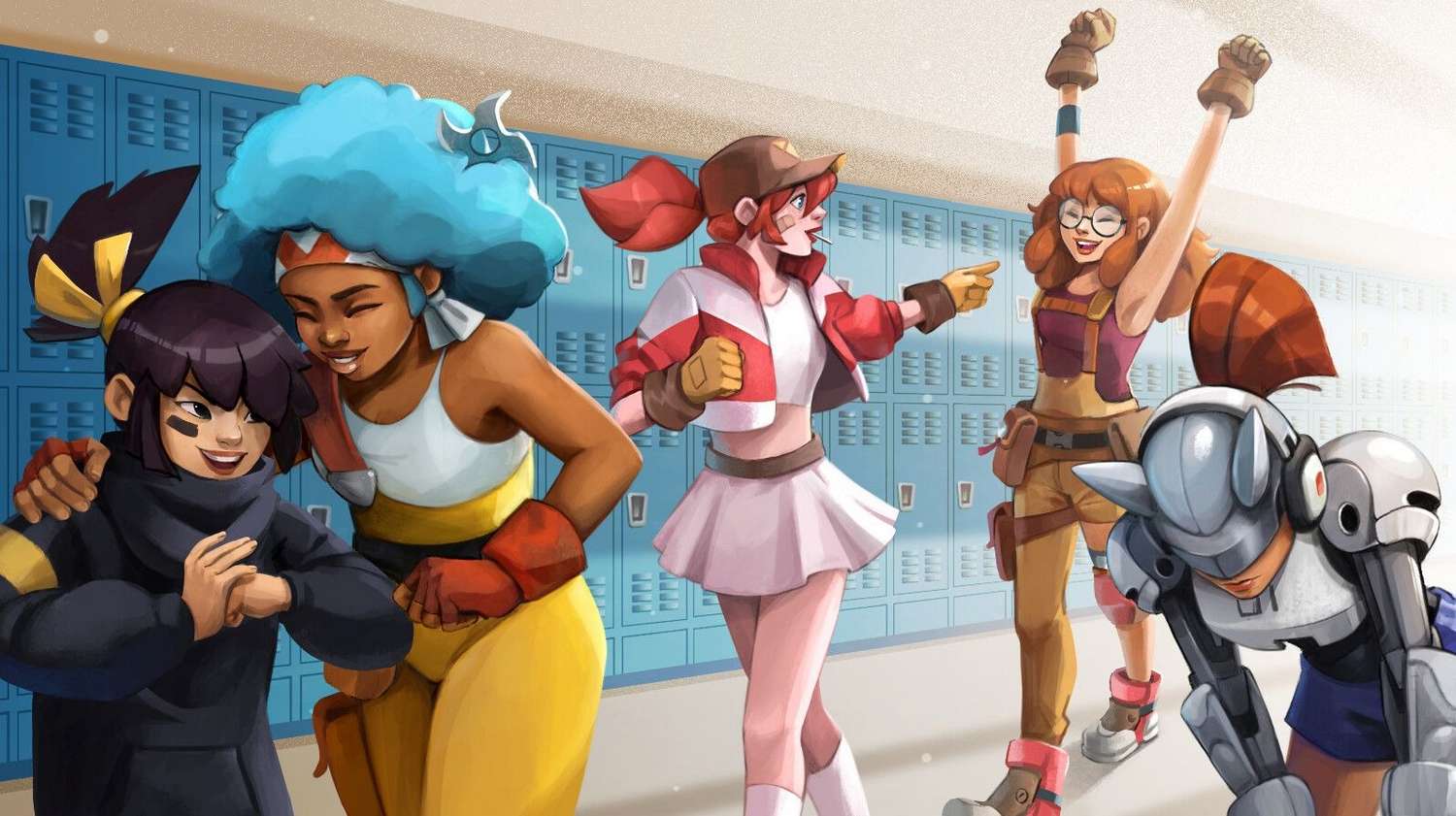
The primary criticism leveled against Ra Ra BOOM centers on its execution of core gameplay loops. While the idea of synchronized attacks and team-based ‘boom’ abilities is fantastic on paper, the practical application often falls short. Co-op sessions can quickly descend into chaos rather than coordinated mayhem, with players struggling to communicate effectively due to the frantic pace and occasional visual clutter. The lack of precise control and the sometimes-punishing level design combine to create a frustrating experience, particularly when facing increasingly difficult enemy waves.
Specific pain points commonly cited by the community include:
- Unforgiving Difficulty Spikes: The scaling of enemy strength and numbers can feel disproportionate, leading to sudden, disheartening defeats that don’t feel earned.
- Camera Issues: In multiplayer, the camera often struggles to keep all players and relevant action in view, leading to cheap hits and disorientation.
- Lack of Clarity in Visuals: While the art style is striking, during intense combat, crucial visual cues for enemy attacks or player abilities can be lost in a sea of particle effects.
- Control Responsiveness: Inputs occasionally feel delayed or imprecise, especially when attempting intricate maneuvers or quick dodges, exacerbating the feeling of being unable to truly control the cheerleaders’ movements.
These issues collectively contribute to a sense of unpolished mechanics, diminishing the joy of discovery and progress. For a game aiming for high replayability and competitive engagement, consistent and intuitive controls are non-negotiable.
Broader Implications for Indie Game Development
Ra Ra BOOM’s trajectory serves as a poignant case study within the indie game development landscape. It highlights the immense challenge of translating a brilliant, novel concept into a flawlessly executed gameplay experience. The sheer volume of new titles hitting digital storefronts daily means that even games with strong initial appeal must deliver on their promises to secure a foothold. Development hurdles are common, and the pressure to innovate while maintaining technical stability is immense. The financial commitment required for game development insights and effective marketing further amplifies these stakes.
For developers, understanding player feedback and iteratively refining mechanics post-launch is paramount. Titles that demonstrate a commitment to addressing community concerns often see a resurgence in player base and critical favor. The discussion around Ra Ra BOOM underscores the importance of robust quality assurance and extensive playtesting, especially for games that rely heavily on precise movement and complex combat systems.
Looking Ahead: Can Ra Ra BOOM Find Its Footing?
 Looking Ahead: Can Ra Ra BOOM Find Its Footing?
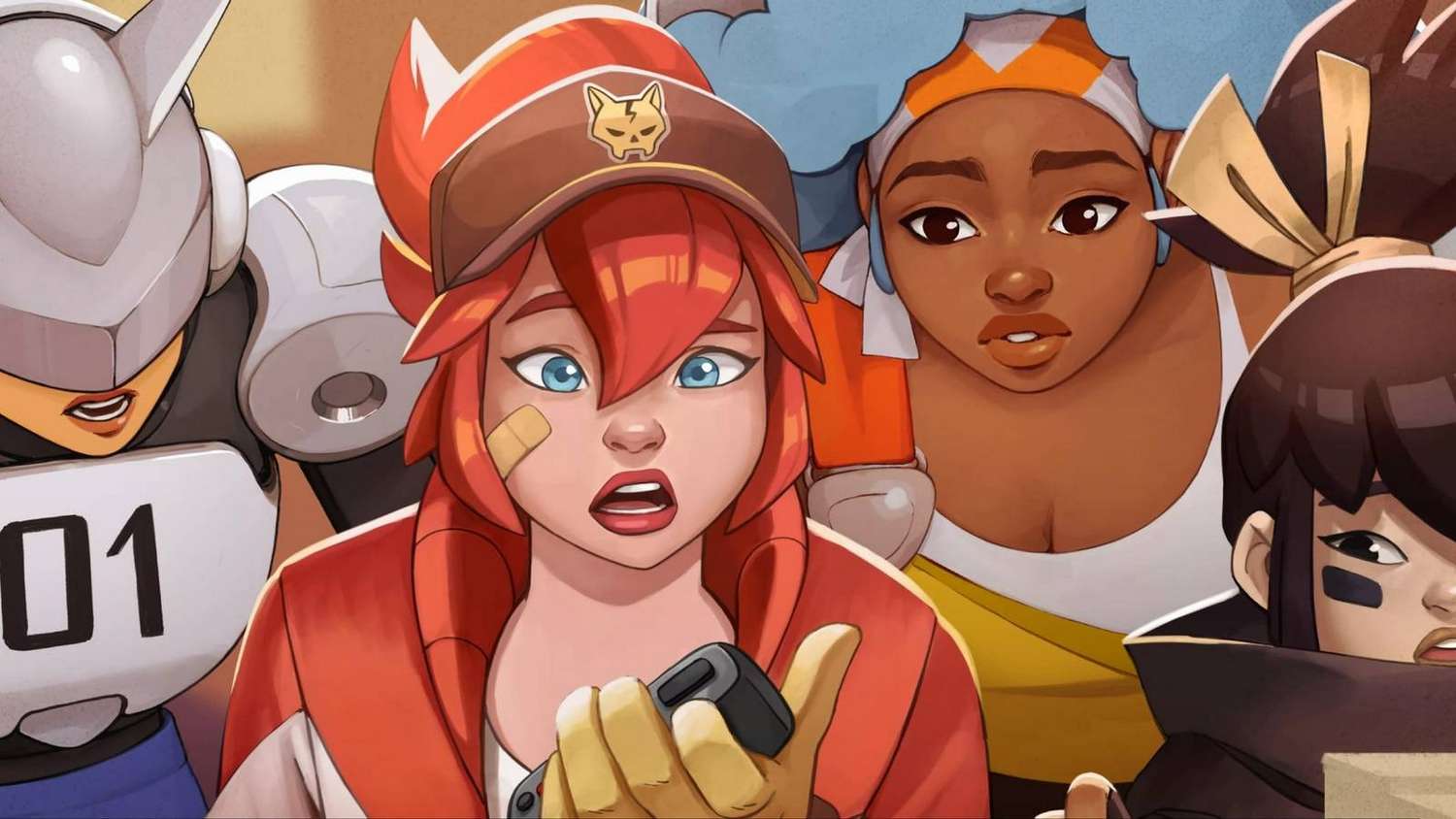
Despite the current criticisms, Ra Ra BOOM still possesses a strong core concept and a dedicated community eager for improvements. The foundation for a truly great game exists: the character designs are memorable, the world-building is engaging, and the potential for exhilarating co-op action is palpable. Developer commitment to ongoing patches, balancing adjustments, and potentially even content expansions could dramatically alter the game’s reception. Addressing the fundamental control and clarity issues would be a significant first step toward allowing these sci-fi cheerleaders to finally stick their landings with confidence.
The path to redemption for games facing early mechanical challenges often involves transparent communication from the development team and a sustained effort to enhance the player experience based on constructive feedback. While the initial landing has been rocky, the vibrant world and unique premise of Ra Ra BOOM continue to hold a certain allure. Only time will tell if Jump Button Studio can leverage this potential and transform Ra Ra BOOM into the polished, high-flying brawler it aspires to be. The gaming market is unforgiving, but with strategic updates and a focus on core mechanics, there’s always a chance for a comeback.