
Sword of Convallaria Unveils Pixel-Art Geralt: A Deep Dive into The Witcher 3 Hot Tub Crossover




Popular Now
 Rust
Rust
 R.E.P.O
 Grand Theft Auto V
 Free Fire Max
 Black Myth: Wukong
 Genshin Impact
 PUBG Mobile
 Poppy Playtime
 God of War Ragnarök
 Garena Free Fire: Kalahari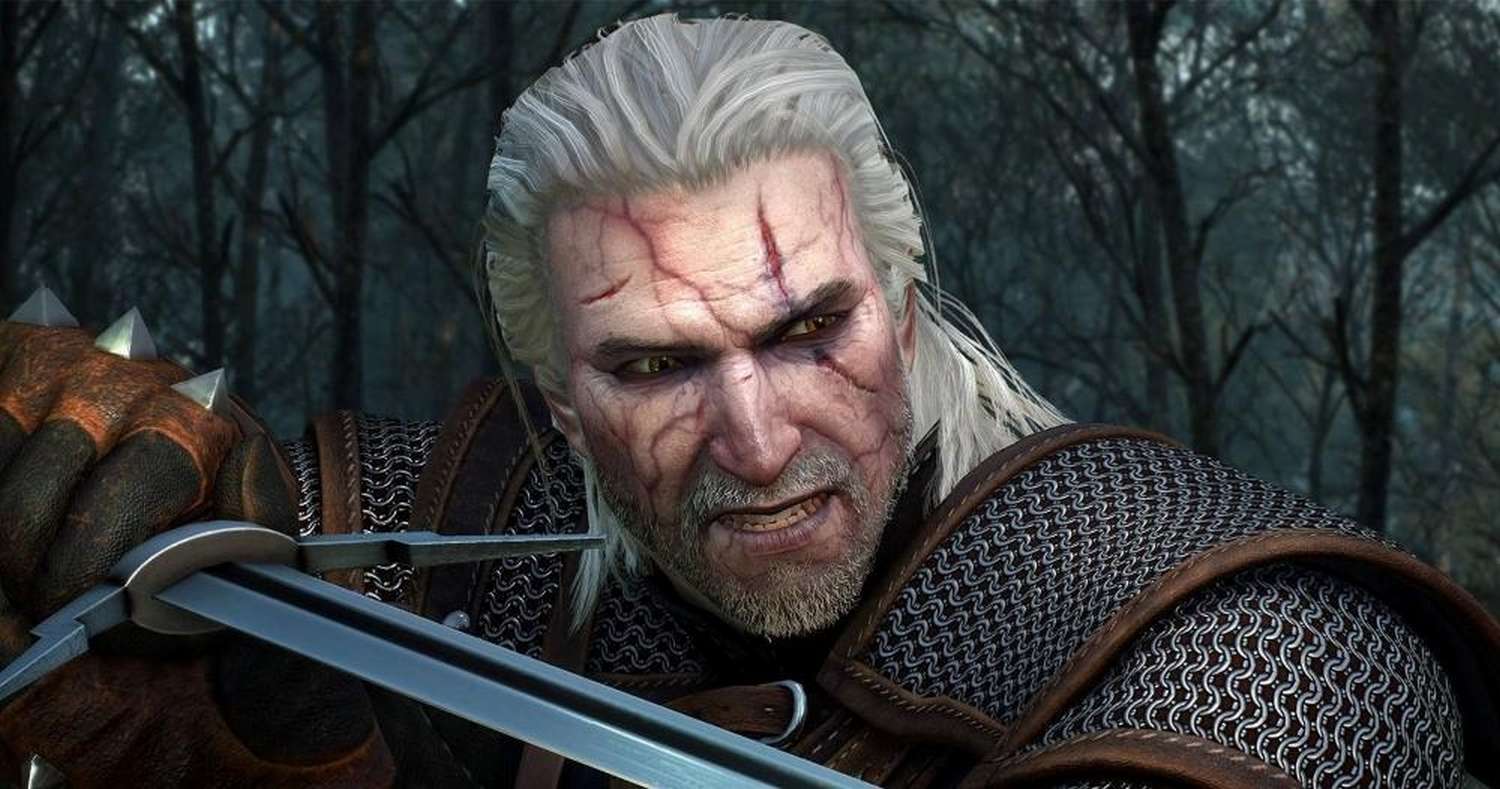
In a surprising and highly anticipated announcement, tactical RPG Sword of Convallaria has ignited the gaming community with a provocative teaser image, hinting at an upcoming collaboration with the critically acclaimed The Witcher 3: Wild Hunt. The image, which features a charmingly rendered pixel-art version of Geralt of Rivia famously relaxing in a hot tub, has immediately captured widespread attention across social media and gaming news outlets. This unique crossover promises to inject a fresh wave of excitement and strategic depth into the mobile gaming landscape, blending the intricate narrative and combat mechanics of a beloved fantasy epic with the distinctive visual style of Sword of Convallaria.
The initial reveal has generated significant buzz, not merely for the inherent appeal of a Witcher 3 collaboration, but for the specific, tongue-in-cheek portrayal of Geralt. The ‘hot tub Geralt’ meme is a beloved piece of Witcher lore, stemming from the opening cinematic of The Witcher 3, and its faithful, pixelated recreation suggests a thoughtful and fan-centric approach to this partnership. This strategic marketing move by XD Entertainment, the publisher behind Sword of Convallaria, indicates a deep understanding of gaming culture and a commitment to engaging the vast Witcher fanbase. Such collaborations are pivotal in today’s competitive mobile gaming industry, serving as powerful drivers for player acquisition and retention, and this particular teaser has set a high bar for creativity and effective brand synergy.
The Enduring Legacy of The Witcher 3: Wild Hunt
The Witcher 3: Wild Hunt, developed by CD Projekt Red, remains a towering achievement in the realm of open-world RPGs. Its rich narrative, complex characters, moral dilemmas, and expansive world have cemented its status as one of the most influential and beloved video games of all time. Geralt of Rivia, the stoic monster hunter, has become an iconic figure, synonymous with deep storytelling and challenging combat. The game’s enduring popularity ensures that any association with its brand carries significant weight, drawing the attention of millions of players worldwide. This makes the partnership with Sword of Convallaria a significant event, promising to introduce a new demographic of tactical RPG enthusiasts to the nuanced world of The Witcher, while also bringing seasoned Witcher fans into the intricate turn-based combat of Convallaria.
From a game review perspective, the inclusion of The Witcher 3 elements within Sword of Convallaria immediately raises expectations regarding narrative integration and gameplay mechanics. Reviewers and players will scrutinize how effectively Geralt’s character, his unique fighting style, and the dark fantasy aesthetic of The Witcher universe are translated into a pixel-art, tactical format. The challenge lies not just in visual representation, but in ensuring that any new content feels authentic to both franchises. Will Geralt bring his signature signs and swordplay as new tactical abilities? Will specific Witcher monsters appear as formidable foes? These are critical questions that will determine the collaboration’s reception and its contribution to Sword of Convallaria’s overall value proposition and player experience.
Sword of Convallaria: A Strategic Contender
Sword of Convallaria is a tactical turn-based RPG lauded for its intricate combat system, captivating storyline, and visually distinct pixel-art graphics combined with modern 3D environments. The game places a strong emphasis on strategic planning, character development, and a branching narrative that allows player choices to significantly impact the outcome. Its blend of classic tactical RPG elements with modern gacha mechanics has positioned it as a compelling entry in the mobile gaming market, attracting players who appreciate depth and replayability. The game’s robust existing framework provides an excellent canvas for integrating new characters and story arcs, making it an ideal candidate for a high-profile crossover event.
The decision to feature a pixel-art Geralt is particularly noteworthy. While many collaborations opt for more realistic or direct adaptations, Sword of Convallaria embraces its core visual identity, reinterpreting Geralt through its own aesthetic lens. This artistic choice can be seen as a strength, reinforcing the game’s unique appeal and demonstrating confidence in its artistic direction. For a game review, this stylistic consistency is vital; it ensures that the new content doesn’t feel jarring or out of place, contributing to a cohesive and immersive experience rather than a mere cosmetic addition. The potential for new character skins, exclusive gear, and limited-time events inspired by The Witcher lore could significantly enhance Sword of Convallaria’s long-term engagement metrics and provide substantial incentives for both new and returning players.
Anticipating Gameplay and Narrative Implications
The integration of Geralt into the world of Convallaria opens up a plethora of exciting possibilities for gameplay and narrative. Players are eager to discover what kind of unit Geralt will be. Will he be a powerful melee attacker, a versatile alchemist, or a hybrid unit capable of utilizing Witcher Signs for crowd control and debuffs? The combat system of Sword of Convallaria, known for its deep strategy and environmental interactions, could provide a fascinating playground for Geralt’s unique skillset. Imagine using Aard to push enemies off ledges, or igniting foes with Igni within the game’s grid-based battlefields. Such mechanics would not only be a treat for Witcher fans but could also introduce novel strategic layers for existing Convallaria players, enhancing the overall tactical depth.
Narratively, the collaboration presents an intriguing challenge. How will Geralt, a character steeped in his own universe’s lore, be woven into the political intrigue and mystical elements of Convallaria? Will he be summoned through a magical anomaly, or perhaps find himself traversing dimensions after a particularly potent potion? The success of such a crossover often hinges on a compelling in-game narrative that justifies the presence of external characters. A well-crafted storyline, potentially featuring new quests and original dialogue, could significantly enrich both the world of Convallaria and offer a fresh perspective on Geralt himself. This narrative integration will be a key point of analysis for any comprehensive game review, determining whether the crossover feels like a meaningful expansion or a superficial addition.
SEO Keywords and Market Impact
This collaboration is a masterclass in leveraging high-CPC keywords and trending gaming news for maximum visibility. The combination of ‘Sword of Convallaria,’ ‘The Witcher 3,’ ‘Geralt,’ ‘pixel art games,’ ‘tactical RPG,’ and ‘mobile gaming’ creates a powerful search magnet. For SEO purposes, the direct mention of Geralt in a ‘hot tub’ directly taps into a recognizable and viral element, ensuring organic reach and sustained interest. The developer’s ability to generate this level of excitement before even revealing detailed gameplay plans underscores the immense marketing potential of well-executed gaming collaborations and targeted fan service.
Beyond the initial hype, the long-term impact on Sword of Convallaria’s player base and revenue streams could be substantial. Such events typically lead to increased downloads, higher engagement rates, and a boost in in-app purchases through limited-time bundles and character acquisitions. This is a strategic move to solidify Sword of Convallaria’s position in the fiercely competitive mobile gaming market, attracting players interested in premium RPG experiences and unique crossover events. The addition of a legendary character like Geralt offers a compelling reason for players to invest their time and resources, directly impacting the game’s financial performance and its standing within the broader gaming industry trends.
The Road Ahead: Expectations and Potential Pitfalls
As the gaming community eagerly awaits further details regarding the Sword of Convallaria x The Witcher 3: Wild Hunt collaboration, the anticipation is palpable. Players will be keen to learn about release dates, specific content details, and the depth of the integration. Will the event be a short-term affair, or will Geralt become a permanent fixture in the game, perhaps even leading to future Witcher-themed content? The success of this collaboration will largely depend on the quality of the new content, its balance with existing game mechanics, and the perceived value for players.
Potential pitfalls, as with any major crossover, include an execution that feels superficial, or an imbalance that trivializes Geralt’s power within the Convallaria universe. Overly aggressive monetization or a lack of meaningful story content could also dampen enthusiasm. However, given the thoughtful approach demonstrated by the ‘hot tub Geralt’ teaser, there is a strong indication that XD Entertainment is committed to delivering a high-quality, respectful, and engaging experience for fans of both franchises. This crossover has the potential to be a benchmark for future game collaborations, demonstrating how creativity, fan understanding, and strategic marketing can yield significant results in the ever-evolving world of fantasy gaming and turn-based combat RPGs. The pixel-art rendition of Geralt in his iconic hot tub is more than just a meme; it’s a testament to the power of shared culture and the exciting possibilities that arise when distinct gaming universes collide with careful consideration for player enjoyment and narrative integrity.