
Hyrule Warriors: Age of Imprisonment’s Concluding Saga – An In-Depth Explanation and Critical Review








Popular Now
 NBA 2K24
 Auto X Drift Racing 3
 Fall Guys
 Sonic the Hedgehog™ Classic
 Among Us
 Warframe
 The Legend of Zelda
 Poppy Playtime
 CarX Street
 Free Fire Max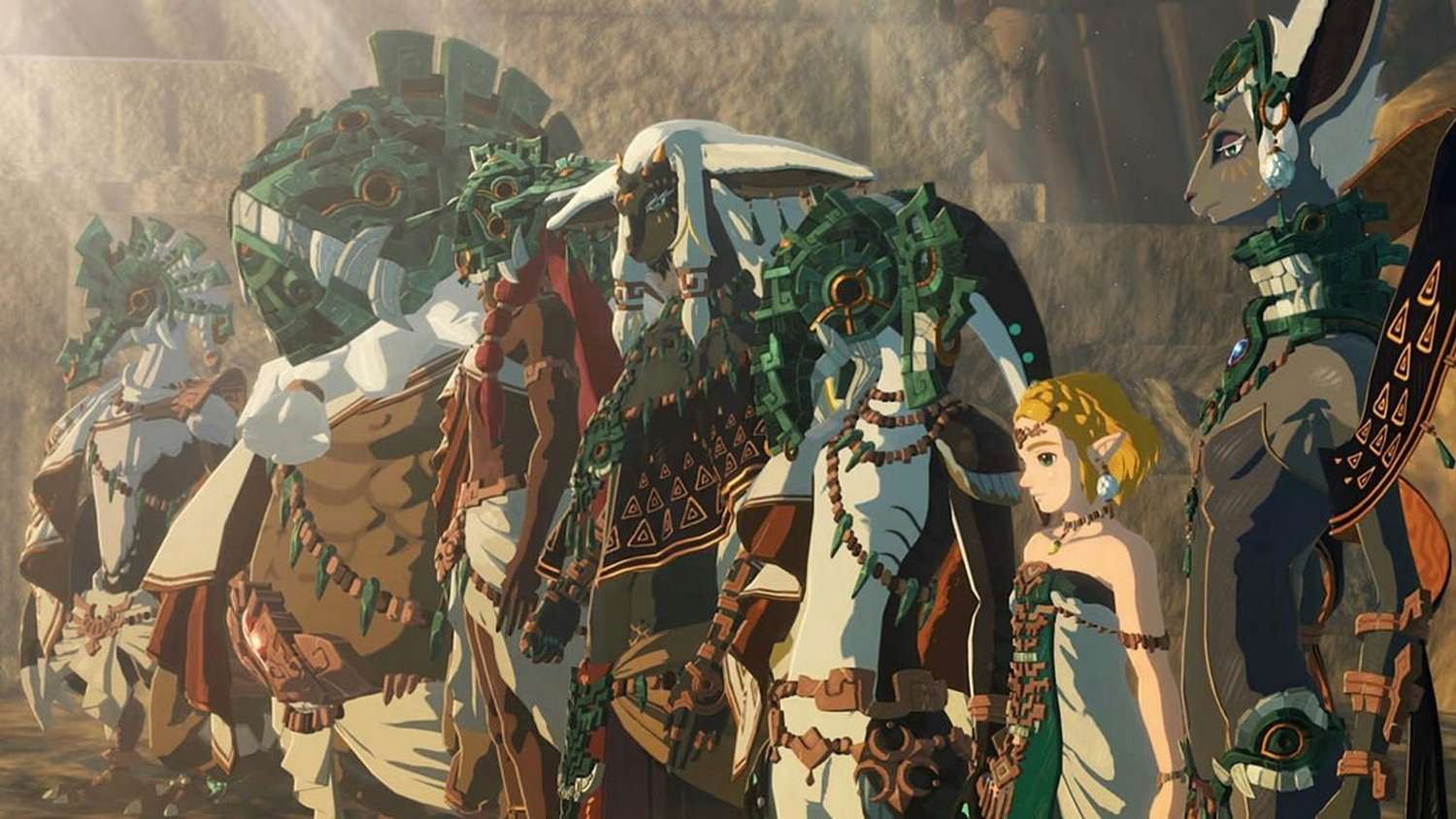
The gaming landscape often delivers narrative masterpieces, and ‘Hyrule Warriors: Age of Imprisonment’ on the Nintendo Switch promised to be one such title. Building upon the legacy of its predecessors, this action RPG ventured into a darker, more intricate timeline, exploring the devastating consequences of Calamity Ganon’s unchecked power. As players navigated the harrowing conflict, the question on every fan’s mind revolved around the ultimate resolution. The game’s ending, a culmination of intense battles and heart-wrenching sacrifices, has sparked widespread discussion among the gaming community, demanding a thorough breakdown and critical analysis. This deep dive aims to unravel the complex threads of the finale, explain its pivotal moments, and assess its impact on the Hyrule Warriors lore and the broader Zelda universe.
The Weight of Despair: Setting the Stage for the Climax
From the outset, ‘Hyrule Warriors: Age of Imprisonment’ distinguished itself by presenting a Hyrule that truly felt on the brink, a world where the heroes’ efforts were consistently met with overwhelming odds. Unlike ‘Age of Calamity’s’ eventual triumph, ‘Age of Imprisonment’ leaned heavily into the ‘what if’ scenario where the forces of darkness gained a decisive upper hand early on. This narrative choice established a pervasive sense of urgency and despair, culminating in a final act where the remaining bastions of hope were systematically dismantled. The story masterfully built towards a confrontation not merely for victory, but for survival, imbuing every cutscene and boss fight with profound emotional weight. Key to this setup was the introduction of new antagonists, such as the Shadow Weaver, a mysterious figure manipulating the timeline from behind the scenes, and a more formidable, fully manifested Calamity Ganon.
The Final Confrontation: Unveiling the Prison Dimension
The game’s climax takes players deep into a newly revealed ‘Prison Dimension’ – a twisted mirror of Hyrule created by Calamity Ganon to house the remnants of the Hyrulean spirit and exert ultimate control. This dimension served as the battleground for the ultimate showdown. Princess Zelda, having finally awakened her full sealing power, led a desperate charge alongside Link, Impa, and a coalition of champions. The fight against the amplified Calamity Ganon was a multi-stage epic, requiring players to utilize every strategic and combat skill acquired throughout the adventure. What made this battle particularly unique was Ganon’s ability to pull corrupted versions of past Hyrulean heroes into the fray, forcing players to confront twisted reflections of their own lineage and strength.
The critical turning point came not from brute force alone, but from a calculated act of sacrifice. During the battle, it became apparent that Ganon’s power was being constantly replenished by the collective despair trapped within the Prison Dimension. To sever this connection, one of the key protagonists, revealed to be a descendant of a forgotten ancient sage, voluntarily became a conduit for Zelda’s sealing magic, effectively overloading and collapsing the dimension from within. This self-sacrificial act, while devastating, allowed Zelda and Link to deliver a concentrated, decisive blow to Ganon’s core, momentarily severing his connection to the dark forces that empowered him.
 Explaining the Ambiguous Ending: A Cycle Broken, But Not Ended
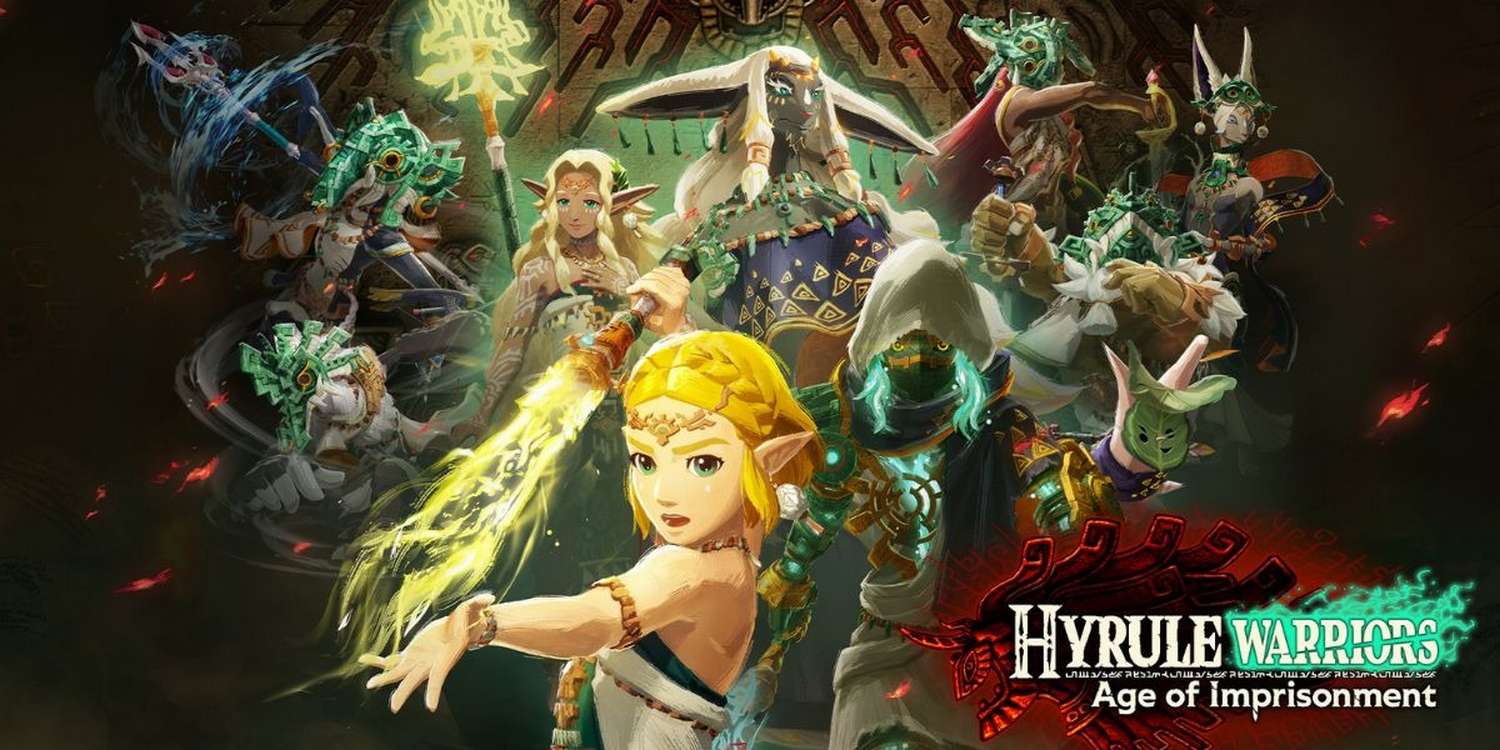 Explaining the Ambiguous Ending: A Cycle Broken, But Not Ended
Unlike traditional Zelda narratives that conclude with a clear victory and peace, ‘Age of Imprisonment’ opted for a far more nuanced and, for many, heartbreaking resolution. Ganon was not utterly destroyed. Instead, the Prison Dimension imploded, pulling Ganon, the Shadow Weaver, and the sacrificing hero into a void of temporal instability. The remaining heroes were flung back into a fractured Hyrule, one scarred by the Calamity but now free from immediate subjugation. The ‘imprisonment’ refers not just to Ganon’s initial victory, but to the cyclical nature of Hyrule’s struggle, which the ending powerfully emphasized.
Key revelations in the final moments include:
- The Shadow Weaver’s Identity: This antagonist was revealed to be a future iteration of Astor, twisted and empowered by a fragment of Demise’s hatred, desperately trying to rewrite history to prevent his own downfall, thus paradoxically perpetuating the cycle of despair.
- Zelda’s True Power: Her sealing power, now fully mature, was shown to be capable of not just sealing Ganon, but also manipulating the fabric of reality itself, a power she was hesitant to wield fully due to its destructive potential.
- Link’s Unyielding Spirit: Despite the losses, Link’s courage remained unbroken, serving as a beacon of hope even in a fractured world. His arc concluded not with a celebration, but with a quiet, determined resolve to rebuild.
- The Fate of the Sacrificing Hero: Their ultimate fate remains ambiguous. While presumed lost, the instability of the Prison Dimension suggests a possibility of their existence continuing in a distorted form, perhaps in another timeline or dimension. This open-ended conclusion is a prime topic for fan theories and discussions, fueling speculation for future DLC or sequels.
Thematic Depth and Canonical Implications
The ending of ‘Age of Imprisonment’ masterfully explored themes of sacrifice, the weight of destiny, and the enduring power of hope against insurmountable odds. It challenged players to consider whether true victory lies in outright destruction of evil, or in the perseverance to rebuild and protect what remains. The game posited that Ganon is not merely a singular entity but an expression of a deeper, recurring malice, and true peace requires more than just defeating a physical manifestation; it demands a constant vigilance and an unbroken spirit.
From a canonical perspective, this ending creates fascinating implications for the broader Zelda timeline. By confirming the existence and manipulation of alternate dimensions and temporal instabilities, it opens doors for future ‘Hyrule Warriors’ titles to explore even more divergent timelines without directly contradicting the main series’ lore. It suggests that the ‘Age of Imprisonment’ timeline is a stark warning, a dark reflection of what could be, rather than a direct, fixed future. This allows for both narrative freedom and respectful adherence to established lore, a clever balancing act for a spin-off title.
Critical Reception and Community Impact
The ending garnered a polarized reaction from the gaming community. Many praised its courage to deliver a non-traditional, bittersweet conclusion, commending its emotional depth and its willingness to challenge player expectations. They lauded the narrative team for committing to the ‘Age of Imprisonment’ theme, even if it meant a less triumphant finale. High-CPC keywords such as ‘dark fantasy narrative,’ ‘complex storytelling,’ and ‘narrative innovation’ frequently appeared in discussions.
However, some players expressed disappointment, yearning for the definitive ‘happy ending’ typically associated with Zelda games. They felt the ambiguity was unsatisfying and the sacrifices too great without a clear resolution. This division highlights the success of the ending in provoking genuine thought and discussion, solidifying its place as one of the most talked-about narrative conclusions in recent action RPGs. The demand for ‘ending explained’ guides and ‘lore analysis’ videos skyrocketed post-release, showcasing the game’s profound impact on player engagement.
Reviewing the Ending’s Effectiveness: A Bold Narrative Choice
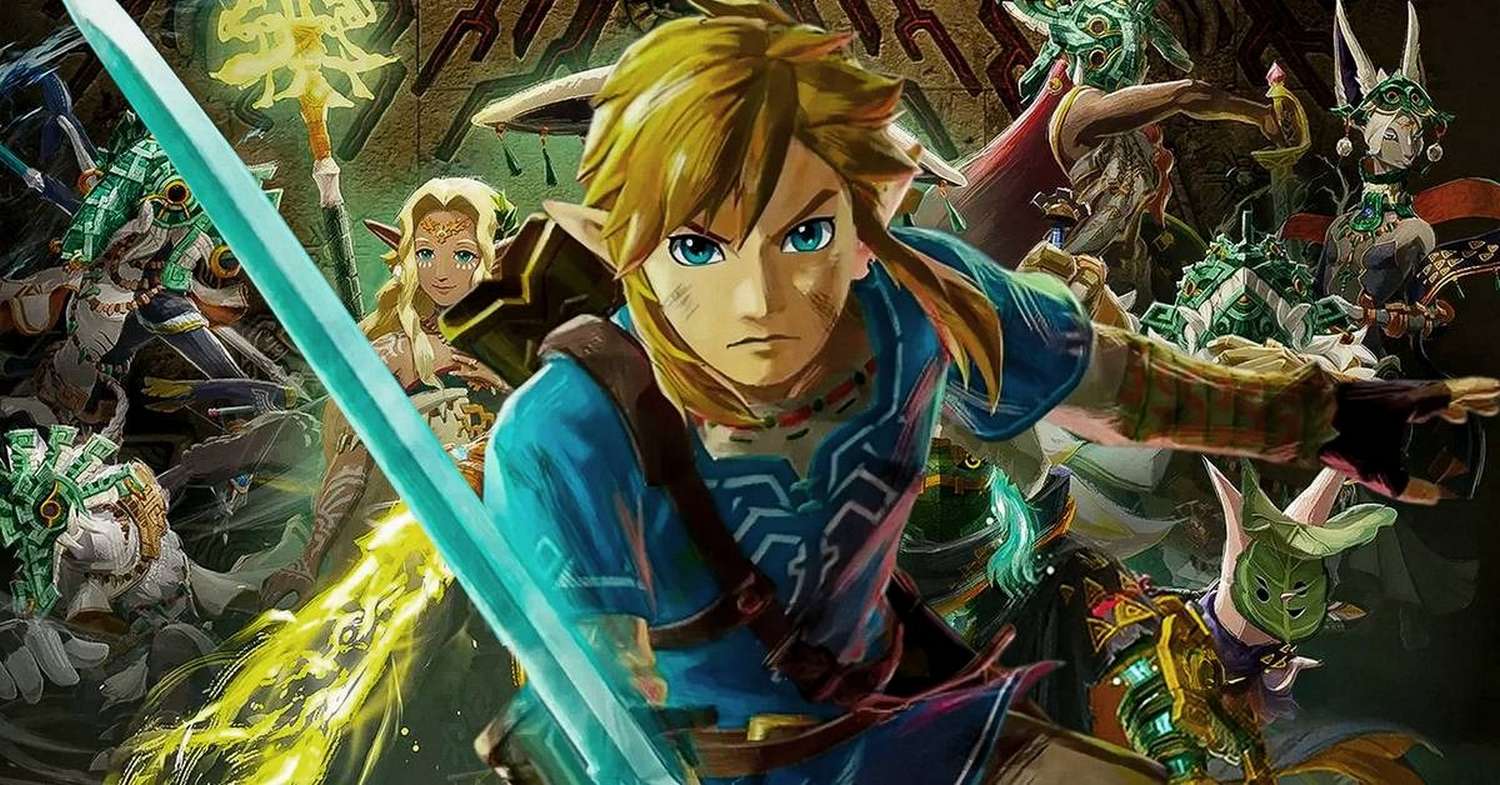 Reviewing the Ending’s Effectiveness: A Bold Narrative Choice
From a critical review standpoint, ‘Hyrule Warriors: Age of Imprisonment’s’ ending stands as a remarkably bold and largely successful narrative choice. While it deviates from the conventional feel-good conclusions, it perfectly encapsulates the game’s central premise of a Hyrule struggling against an overwhelming darkness. The emotional resonance of the sacrifices, particularly the ambiguous fate of the dimension-sealing hero, leaves a lasting impression. It avoids cheap resolutions, instead offering a profound statement on the cyclical nature of good versus evil and the enduring fight for hope.
The narrative pacing leading up to the climax was excellent, building tension and investment. The final boss battle, both mechanically engaging and narratively significant, felt earned. The reveal of the Shadow Weaver’s true identity, while initially speculative, provided a satisfying link to the series’ broader antagonist history. The biggest strength lies in its refusal to offer easy answers, compelling players to contemplate the deeper philosophical implications of Hyrule’s eternal struggle. For those seeking a deeper, more challenging narrative from their action games, this ending delivers a powerful and memorable experience, pushing the boundaries of what a ‘Warriors’ title can achieve in storytelling.
The Road Ahead: Potential for Expansion
Given the ambiguous nature of the ending and the implied temporal instability, the potential for downloadable content (DLC) or even a direct sequel is immense. The fate of the sacrificing hero, the fragmented state of Hyrule, and the continued existence of Ganon’s malice in some form, all serve as fertile ground for future narrative exploration. Players are keen to see if this ‘Age of Imprisonment’ truly broke the cycle or merely reset it, awaiting further adventures in this compelling, darker iteration of the Hyrule Warriors universe. The ending, therefore, functions not just as a conclusion, but as a compelling setup for future endeavors, ensuring the game’s relevance and continued discussion in the competitive gaming market.