
King of Meat: Unpacking the Co-op Potential and Hurdles of the Upcoming Indie Sensation










Popular Now
 Brawl Stars
 Poppy Playtime
 R.E.P.O
 Genshin Impact
 Grand Theft Auto V
 Rust
Rust
 EA SPORT FC 25
 League of Legends
 Free Fire Max
 Candy Crush Saga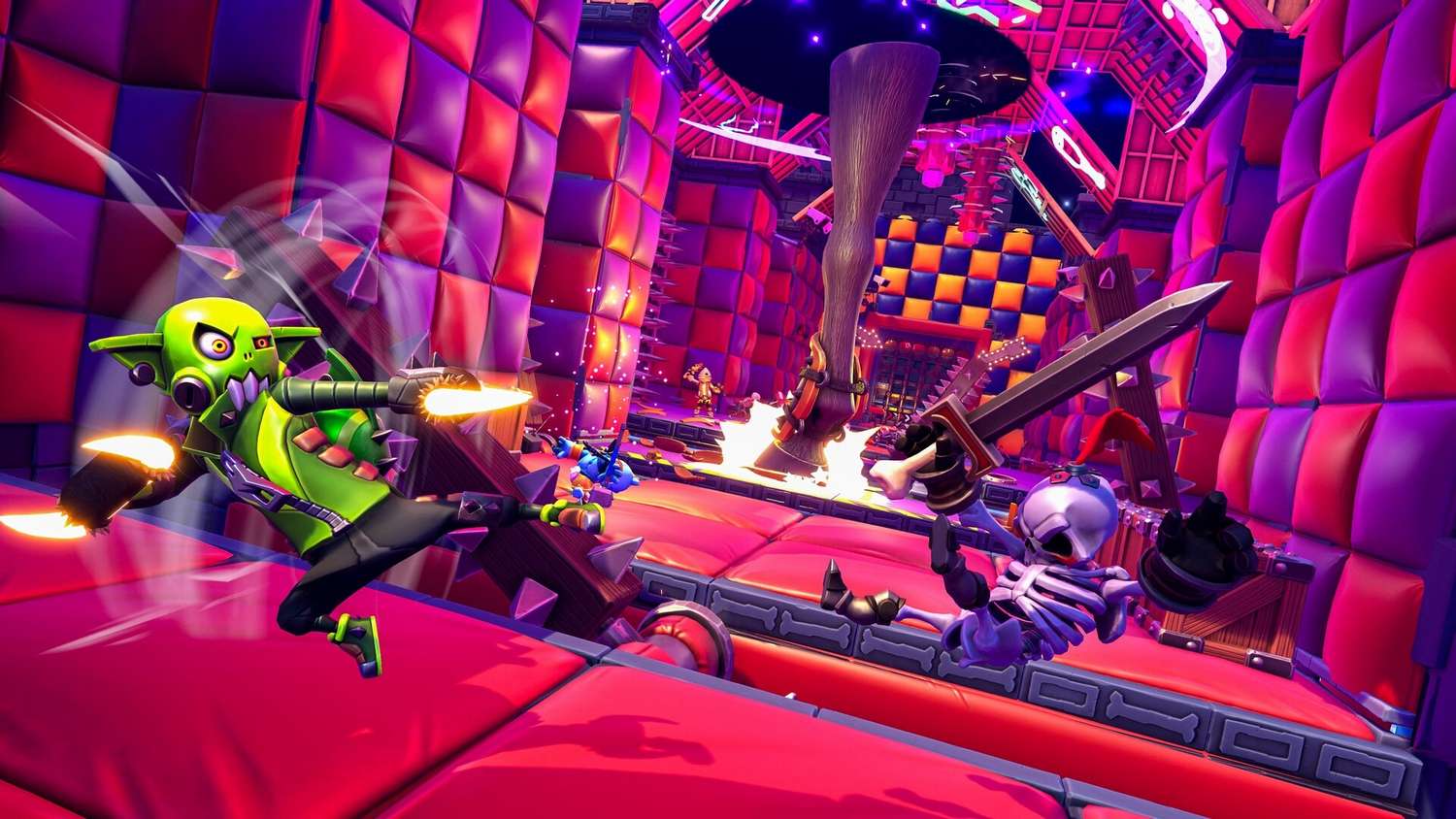
Introduction: A Glimpse into the Meaty World of Co-op Gaming
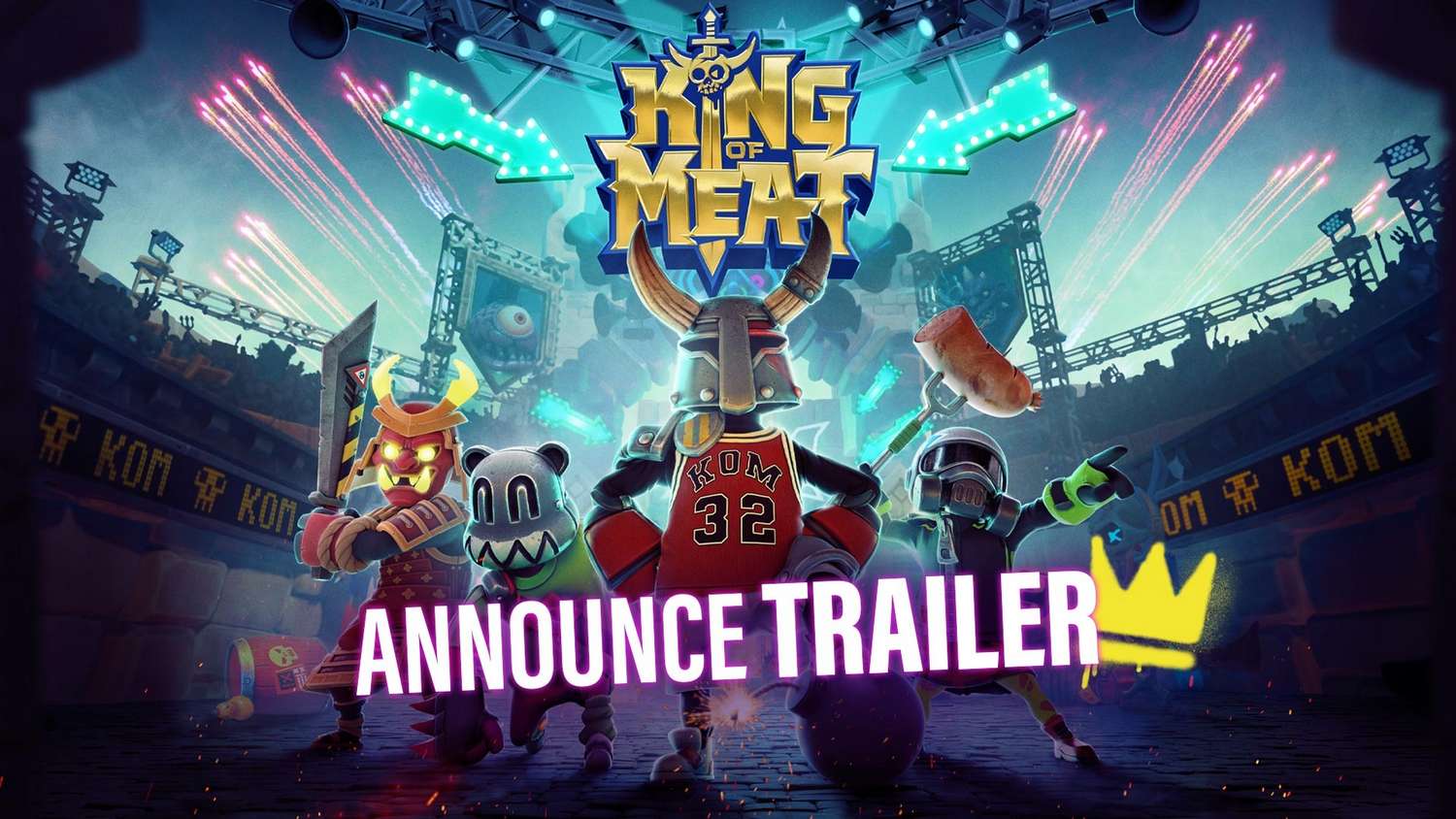
The indie gaming landscape is a fertile ground for innovation, often delivering experiences that challenge conventional norms and offer fresh perspectives. Among the myriad of titles vying for player attention, ‘King of Meat’ emerges with a bold premise and a distinct visual style, immediately capturing interest. Positioned as a cooperative multiplayer experience, it promises to blend action, strategy, and perhaps a touch of macabre humor. However, as with any ambitious indie project, potential does not automatically translate into success. While ‘King of Meat’ undoubtedly possesses the raw ingredients for a co-op hit, realizing this potential will require meticulous development, keen player insight, and robust post-launch support. This analysis delves into what makes ‘King of Meat’ a title to watch, examining both its promising aspects and the significant challenges it must overcome to carve out a lasting legacy in the fiercely competitive gaming market.
The concept of a compelling, engaging co-op adventure is always enticing, particularly for players seeking shared experiences with friends. ‘King of Meat’ aims to tap into this demand, offering a unique take on team-based progression. The developers have teased a world rich in lore and challenging encounters, suggesting a game that could offer substantial replayability and player engagement. Early impressions indicate a focus on strategic combat and resource management, elements crucial for a deep and satisfying multiplayer experience. Yet, the journey from promising concept to polished product is fraught with obstacles, especially in the realm of online co-op where netcode, balancing, and content flow are paramount. Navigating these complexities will be the true test of ‘King of Meat’s’ mettle.
What is King of Meat? Core Gameplay and Vision
‘King of Meat’ is envisioned as a top-down, action-oriented co-op game where players assume the roles of unique characters, each possessing distinct abilities and playstyles. The core loop revolves around venturing into hostile environments, completing objectives, defeating monstrous adversaries, and collecting resources to upgrade gear and unlock new skills. The emphasis on cooperative strategy is evident, with character synergies and coordinated efforts being critical for survival and success. The game is said to feature procedurally generated levels, aiming to ensure that each playthrough offers a fresh challenge, thus enhancing the replayability factor – a high-value attribute for modern gamers.
The narrative framework, though still somewhat shrouded in mystery, hints at a world ravaged by a grotesque transformation, where flesh and bone have taken on a life of their own, creating the ‘Meat’ from which the ‘King’ derives its name. This dark fantasy setting provides a fertile backdrop for creative enemy design and atmospheric world-building. The developers appear to be leaning into a stylized, somewhat unsettling aesthetic that differentiates it from many peers. This visual identity, combined with what is hoped to be tight, responsive controls, forms the bedrock of its proposed appeal. For any game seeking to stand out in the crowded indie space, a strong, unique identity is a significant advantage, and ‘King of Meat’ seems to understand this.
The Recipe for Success: Strengths and Unique Selling Points
- Innovative Co-op Mechanics: ‘King of Meat’ is poised to offer a fresh take on cooperative play, moving beyond simple team-ups to demand genuine synergy and strategic thinking. The interplay of character abilities and the need for coordinated movements could provide deeply satisfying gameplay loops, fostering strong team dynamics.
- Distinctive Art Style and World-building: The game’s grotesque yet compelling visual aesthetic and its unique ‘Meat’-centric lore set it apart. This bold artistic direction creates an immediate hook and promises a memorable, immersive experience that stands out from more generic fantasy or sci-fi settings.
- High Replayability Potential: With promises of procedurally generated environments, diverse enemy types, and a robust upgrade system, ‘King of Meat’ has the potential for extensive replayability. This is a crucial factor for player retention and long-term engagement, especially in the online co-op genre where fresh content is key.
- Engaging Core Gameplay Loop: The blend of action combat, resource gathering, and progression systems suggests a strong core loop that can keep players invested. If tuned correctly, the moment-to-moment combat and strategic decisions could prove highly addictive for those seeking a challenging cooperative venture.
- Targeting a Niche Market: By focusing on a specific blend of action, horror-lite elements, and strategic co-op, ‘King of Meat’ is positioning itself to appeal strongly to a dedicated segment of the gaming community often underserved by AAA titles. This focused approach can lead to a passionate and loyal player base.
The Gritty Reality: Challenges and the Road Ahead
- Online Infrastructure and Netcode: For any co-op game, a flawless online experience is non-negotiable. ‘King of Meat’ must ensure robust server stability, minimal latency, and seamless matchmaking. Poor netcode can quickly sour even the most promising multiplayer concepts, leading to player frustration and early abandonment. This is often an expensive and complex aspect of game development, particularly for indie studios.
- Balancing and Progression: Striking the right balance between challenge and fairness, and ensuring a satisfying sense of progression, will be critical. Overpowered abilities, underpowered enemies, or a grind-heavy resource system can quickly derail player enjoyment. Continuous iteration and responsiveness to player feedback during early access will be vital.
- Content Longevity and Updates: While procedural generation helps, a co-op game needs a consistent stream of new content—characters, levels, enemies, and game modes—to maintain player interest over the long term. A clear and ambitious content roadmap is essential to prevent player fatigue and compete in a market saturated with live-service games.
- Community Engagement and Management: Building and nurturing a strong community is paramount for an indie co-op title. Active developer communication, transparent updates, and a willingness to listen to and implement player suggestions will foster loyalty and advocacy, turning players into partners in development.
- Monetization Strategy: The chosen monetization model, whether it’s a one-time purchase with free updates, paid expansions, or cosmetic microtransactions, must be fair and non-intrusive. Aggressive or poorly implemented monetization can alienate players and damage the game’s reputation, especially in an era where consumers are increasingly wary.
- Marketing and Visibility: In a crowded digital marketplace, even a great game can get lost without effective marketing. ‘King of Meat’ will need a robust strategy to cut through the noise, build hype, and reach its target audience, competing with titles backed by larger publishing budgets.
Technical Chops: Performance, UI, and Netcode Considerations
Beyond the core gameplay, the technical foundation of ‘King of Meat’ will largely dictate its success as a co-op experience. Smooth performance across a range of hardware configurations is essential, preventing frame rate drops and stuttering that can detract from immersion. The user interface (UI) and user experience (UX) must be intuitive, providing clear information without clutter, especially during intense combat scenarios where quick decision-making is key. More critically, the netcode for ‘King of Meat’ must be exceptionally robust. Cooperative play hinges on synchronized actions and responsive feedback; desynchronization, lag spikes, or frequent disconnections can utterly ruin the experience, regardless of how innovative the gameplay mechanics might be. Investment in reliable servers and rigorous testing of the online infrastructure will be a significant expenditure and a non-negotiable requirement for an online multiplayer game hoping to secure a foothold.
Market Position and the Co-op Landscape
The co-op gaming market is vibrant but also highly competitive, populated by established giants and new challengers alike. Games like ‘Helldivers 2’ have recently demonstrated the immense appetite for well-executed cooperative action, emphasizing teamwork and emergent gameplay. ‘King of Meat’ needs to analyze these successes and understand what resonates with players in this genre. While it’s crucial for an indie title to forge its own path, ignoring market trends and player expectations can be a fatal mistake. The unique art style and theme of ‘King of Meat’ can certainly help it stand out, but it must also deliver on the fundamental aspects that players expect from a high-quality co-op title: engaging progression, meaningful combat, and a stable, enjoyable online environment. Carving out a niche means both innovation and execution at a high level.
Developer’s Commitment and Future Outlook
Ultimately, the long-term viability of ‘King of Meat’ will depend heavily on the developers’ commitment to their vision and their responsiveness to the community. An Early Access period, if planned, should be viewed not just as a means of funding, but as an opportunity for iterative development and genuine collaboration with players. Transparent communication regarding development challenges, roadmap updates, and the implementation of player feedback will build trust and foster a dedicated player base. The indie scene thrives on passion, but it is sustained by professionalism and consistent delivery. The journey of ‘King of Meat’ from a promising concept to a beloved co-op hit is a marathon, not a sprint, requiring sustained effort beyond the initial launch.
Conclusion: A Potential Feast Awaiting Polish
‘King of Meat’ arrives on the scene with undeniable potential. Its distinctive artistic vision, intriguing premise, and focus on strategic co-op gameplay positions it as a title capable of captivating a dedicated segment of the gaming community. The promise of high replayability and an engaging core loop makes it an exciting prospect for those seeking fresh multiplayer experiences. However, the path to becoming a true co-op hit is fraught with challenges. Robust netcode, meticulous game balancing, a steady flow of engaging content, and exemplary community management are not merely desirable features; they are essential pillars upon which the success of any online co-op game rests. If the developers can navigate these hurdles with skill and dedication, address player feedback effectively, and deliver on their ambitious vision, ‘King of Meat’ could very well evolve from a promising indie title into a cherished staple in the cooperative gaming landscape. The foundation is laid; now it’s up to the developers to refine the recipe and serve up a truly unforgettable feast for players worldwide.